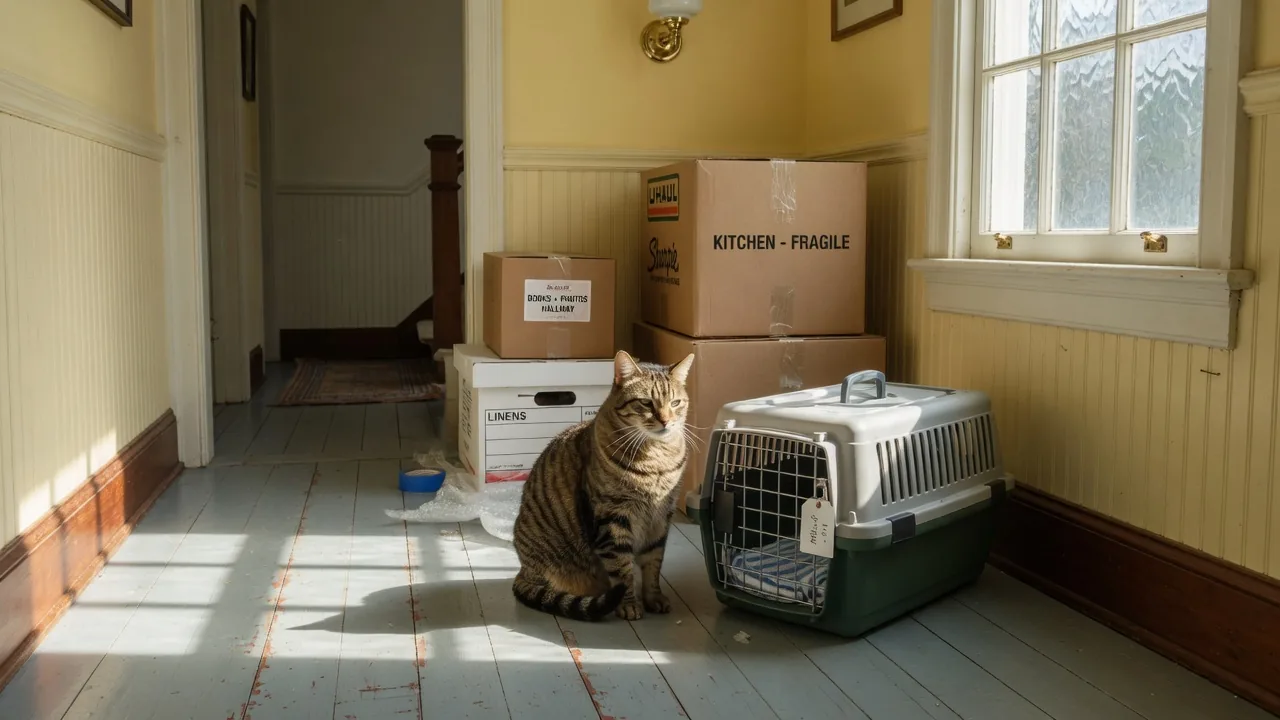
Relocating with furry (or feathered, or scaly) family members adds an extra layer of planning to any move. Pets don't understand why their world is being packed into boxes, and the disruption can cause anxiety, behavioral changes, and even health issues if not managed carefully. Here's our complete guide to keeping your pets safe, calm, and healthy throughout the moving process.
Before the Move: Preparation Is Everything
The weeks leading up to your move are the best time to set your pets up for success.
Schedule a Vet Visit
Visit your veterinarian 2-4 weeks before the move. This is the time to:
- Get copies of all medical records and vaccination certificates
- Refill any medications to cover the transition period
- Ask about anti-anxiety medications if your pet is prone to stress
- Update your microchip information with your new address
- Get a health certificate if you're moving out of state (most states require one within 10 days of travel)
Get Them Used to Their Carrier
If your pet will travel in a carrier, start acclimating them weeks in advance. Leave the carrier open in a common area with a comfortable blanket inside. Toss treats in throughout the day. The goal is for the carrier to feel like a safe space, not a trip to the vet.
Maintain Their Routine
As the house fills with boxes and chaos, keep your pet's routine as normal as possible. Same feeding times, same walk schedule, same bedtime. Predictability reduces anxiety.
Packing Phase: Keeping Them Calm
The packing process can be deeply unsettling for pets. Their territory is being dismantled, strange smells (cardboard, tape, packing materials) are everywhere, and their humans are stressed.
- Pack their room last — keep one room as their safe haven for as long as possible
- Keep their items out — bed, toys, food bowls, and litter box should be the last things packed
- Use calming products — Feliway for cats, Adaptil for dogs, or natural calming treats
- Give extra attention — more playtime, more cuddles, more reassurance
Pro tip: Place a worn t-shirt in your pet's carrier or bed. Your scent is the most powerful calming tool available.
Moving Day: Safety First
Moving day is the highest-risk time for pets. Doors are propped open, people are rushing in and out, and the noise level is intense. Here's how to keep them safe.
The Best Option: Keep Them Away
If possible, arrange for your pet to spend moving day with a trusted friend, family member, or at a boarding facility. This eliminates the risk of escape and the stress of the chaos entirely.
If They Stay Home
If your pet must be present on moving day:
- Confine them to one empty, closed room with a sign on the door: "DO NOT OPEN — PET INSIDE"
- Provide water, food, a litter box (for cats), and their favorite toy
- Check on them periodically with calm, reassuring visits
- Load their room last and move them to the car only when the truck is fully loaded
- Never put pets in the moving truck — it's dark, noisy, and has no climate control
During the Trip
Whether you're driving across Manchester or across the country, travel safety matters.
- Dogs: Use a secured crate or a car safety harness — never let them ride loose
- Cats: Always in a carrier. Cover the carrier with a light blanket to reduce visual stimulation
- Stop every 2-3 hours for dogs to stretch, drink water, and relieve themselves
- Never leave pets in a parked car — even with windows cracked, temperatures can become lethal in minutes
- Bring a travel kit: food, water, bowls, waste bags, paper towels, medications, and a recent photo (in case they get lost)
Settling Into the New Home
Arriving at a new home is just as disorienting for pets as leaving the old one. Take it slow.
For Cats
Cats are territorial creatures, and a new home is an entirely new territory. Start by confining them to one room with all their essentials. Let them explore that room thoroughly before gradually opening up the rest of the house over 3-7 days. Rushing this process often leads to hiding, litter box avoidance, and stress-related illness.
For Dogs
Walk your dog around the new neighborhood on-leash before bringing them inside. Let them sniff and explore the new environment. Inside, show them where their food, water, and bed are. Re-establish your routine immediately — same walk times, same feeding times. Dogs thrive on consistency.
For Small Pets, Birds, and Reptiles
- Small animals (hamsters, guinea pigs, rabbits): Transport in their regular cage. Keep them in a quiet room away from the movers.
- Birds: Cover the cage during transport to reduce stress. Avoid drafts and temperature extremes.
- Reptiles and fish: These are the trickiest to move. Consult a specialty pet transport service for long-distance moves. For local moves, transport in insulated containers with heat packs or ice packs as needed.
Post-Move Tips
- Find a new vet within the first week if you've moved to a new area
- Update tags and microchip with your new address and phone number
- Be patient — it can take 2-4 weeks for pets to fully adjust to a new environment
- Watch for signs of stress: excessive hiding, loss of appetite, destructive behavior, or litter box issues
Let Us Handle the Heavy Lifting
You focus on your pets — we'll focus on your belongings. Manchester Movers has been helping Connecticut families (and their four-legged friends) relocate since 1968. Request a free quote and let us take the stress out of your move.