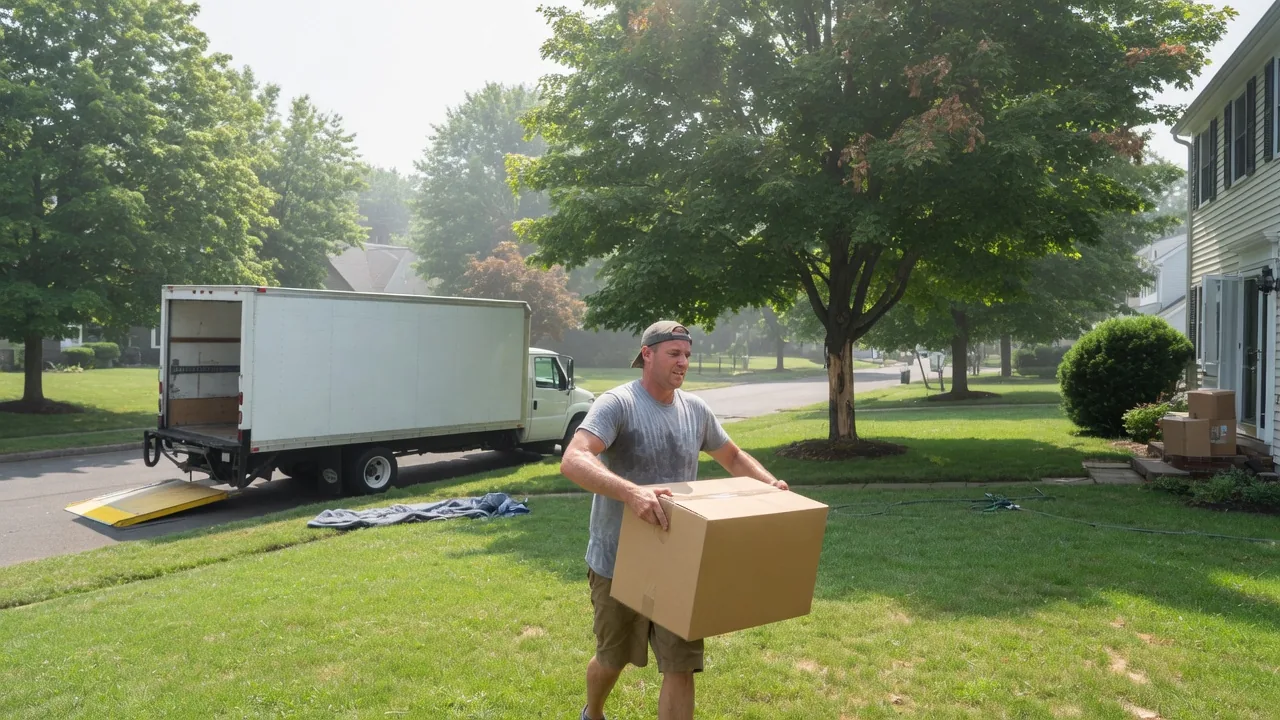
If you're planning a move between May and September, you're entering the busiest time of year for the moving industry. In Connecticut, summer moving season means higher demand, tighter schedules, and — yes — higher prices. But with the right preparation, a summer move can still go smoothly. Here's what you need to know.
Why Summer Is Peak Moving Season
There are practical reasons why the majority of moves happen during the warmer months:
- School schedules: Families with children want to move between school years to minimize disruption
- Lease cycles: Many apartment leases run from September to August, creating a wave of moves each summer
- Home sales: The real estate market is most active in spring and summer, with closings peaking in June and July
- Weather: Moving in warm, dry weather is simply more pleasant (and safer) than moving in snow and ice
- College students: Move-in and move-out at Connecticut's many colleges adds to the demand
The result? Moving companies across Connecticut — and the country — book up fast. At Manchester Movers, our summer schedule can fill 4-6 weeks in advance, especially for weekend dates.
Book Early — Really Early
This is the single most important piece of advice for a summer move. As soon as you know your move date, start contacting moving companies. Waiting until a few weeks before your move date in July or August often means limited availability and premium pricing.
- Ideal booking window: 6-8 weeks before your move date
- Still possible: 3-4 weeks out, with less date flexibility
- Last minute: Under 2 weeks — you may not get your preferred date or time
For guidance on evaluating movers, see our guide on how to choose a moving company.
Expect Higher Costs
Supply and demand applies to moving just like everything else. During peak season, you can expect:
- Hourly rates that are 15-25% higher than off-peak months
- Less negotiation room on pricing — companies don't need to offer discounts when every slot is booked
- Additional charges for premium weekend dates
If your schedule allows any flexibility, even shifting your move date by a few days can make a difference. Weekday moves (Tuesday through Thursday) are typically less expensive and easier to schedule than Fridays and Saturdays. For a complete breakdown of pricing, see our guide on how much moving costs in Connecticut.
Prepare for the Heat
Connecticut summers can be hot and humid, with temperatures regularly reaching the upper 80s and 90s. Heat affects both the people doing the work and some of your belongings.
For Your Moving Crew
- Provide cold water and sports drinks — have a cooler ready at both locations
- Offer access to air conditioning for breaks — even 5 minutes in a cool room makes a difference
- Clear pathways so the crew can work efficiently and minimize time in direct sun
- Start early — a 7 or 8 AM start beats the worst afternoon heat
For Your Belongings
- Candles and wax items can melt in a hot truck — transport these in your air-conditioned car
- Electronics are sensitive to extreme heat — avoid leaving them in the truck during long breaks
- Vinyl records and CDs can warp — keep them climate-controlled
- Chocolate, medications, and cosmetics may melt or degrade — carry these with you
Plan for Summer Traffic
Connecticut's roads are busier in summer, especially on weekends. Beach traffic to the shoreline, event traffic, and construction season all add to travel times. If your move involves driving on I-91, I-84, or Route 2, factor in extra time.
Your moving crew will account for traffic in their planning, but it can still affect your scheduled arrival and delivery times. If you're moving to or from a popular area (shore towns, college towns), discuss logistics with your moving coordinator in advance.
Packing Tips for Hot Weather
- Pack perishable food last and transport it in a cooler — don't put it on the truck
- Use extra padding for heat-sensitive items
- Seal boxes extra tightly — humidity can weaken tape adhesion
- Don't pack the cleaning supplies too early — you'll need them for a move-out clean in the heat
Pro tip: Freeze water bottles the night before your move. They'll serve double duty — keeping your cooler cold in the morning and providing ice-cold water as they thaw throughout the day.
Summer Storage Considerations
If your move involves storage between homes, summer is the worst time to use a non-climate-controlled unit. Temperatures inside a standard metal storage unit can exceed 120°F in July and August. Protect your belongings with climate-controlled storage — your furniture, electronics, and valuables will thank you.
Make the Most of Summer Moving
Despite the challenges, summer is still a great time to move. Longer daylight hours give you more working time, warm weather means no icy walkways or frozen truck ramps, and the energy of a fresh start in a new home is hard to beat.
The key is planning ahead. Book early, stay hydrated, and let the professionals handle the heavy lifting. Request a free quote from Manchester Movers and let us help you make the most of your summer move.