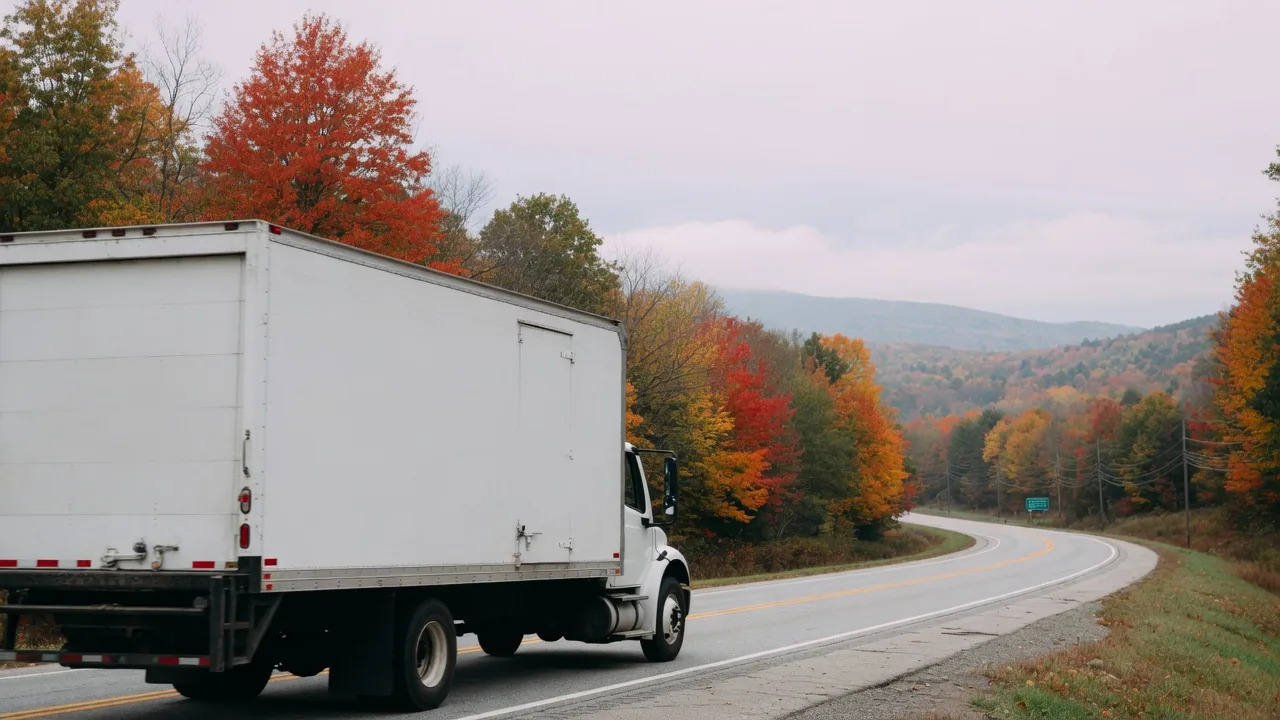
Moving across state lines is a fundamentally different experience from a local move across town. The logistics are more complex, the regulations are stricter, the timeline is longer, and the costs are structured differently. If you're planning a long-distance move from Connecticut, here's everything you need to know before the truck leaves your driveway.
Local vs. Long Distance: What's the Difference?
In the moving industry, a long-distance move (also called an interstate move) is any move that crosses state lines or covers more than 100 miles. This distinction matters because:
- Long-distance moves are regulated by the Federal Motor Carrier Safety Administration (FMCSA)
- Your mover must have a valid USDOT number
- Pricing is based on weight and distance, not hourly rates
- Transit times are measured in days, not hours
- A binding estimate or not-to-exceed quote is essential
How Long-Distance Pricing Works
Unlike local moves, which charge by the hour, long-distance moves are priced by the weight of your shipment and the distance traveled. Here's what factors into your quote:
- Weight: Measured at a certified weigh station before and after loading your belongings
- Distance: Point-to-point mileage between origin and destination
- Accessorial services: Stairs, long carries, shuttle vehicles, packing, crating
- Insurance: Basic coverage is included; full-value protection is additional
- Season: Summer rates (May-September) are higher than off-peak months
Always get a binding or not-to-exceed estimate. This locks in the maximum price based on the inventory surveyed during your in-home estimate. If the shipment weighs less, you pay less. If it weighs more, the estimate caps your cost.
Consolidated vs. Dedicated Shipping
For long-distance moves, you'll typically choose between two options:
Consolidated (shared truck): Your belongings share space with other shipments heading in the same direction. You only pay for the cubic feet you actually use. This is the most cost-effective option for most household moves and is what Manchester Movers specializes in for our long-distance service.
Dedicated (exclusive truck): An entire truck is reserved for your shipment alone. Faster and more flexible, but significantly more expensive. Best for large households or time-sensitive moves.
Understanding Transit Times
Long-distance moves don't happen overnight. Typical transit times from Connecticut:
- New England / Mid-Atlantic: 2-4 business days
- Southeast / Midwest: 5-7 business days
- Mountain West / Southwest: 7-10 business days
- West Coast: 10-14 business days
These are estimates — actual delivery windows depend on the season, route, and whether you're using consolidated or dedicated shipping. Your moving coordinator will provide a specific delivery spread for your move.
What to Do Before a Long-Distance Move
Long-distance moves require more advance planning than local ones. Start early with these steps:
- 8-10 weeks out: Research movers, get in-home estimates, book your move date
- 6 weeks out: Start packing non-essentials, arrange storage if needed
- 4 weeks out: Forward mail, transfer utilities, update your address everywhere
- 2 weeks out: Confirm all details with your moving company
- 1 week out: Pack your essentials box and prepare for an overnight or multi-night gap between pickup and delivery
For a detailed timeline, see our ultimate moving checklist.
What Movers Won't (and Can't) Move
Federal regulations and common sense prohibit certain items from moving trucks:
- Hazardous materials: Gasoline, propane tanks, paint, pesticides, pool chemicals
- Perishable food: Anything that can spoil during transit
- Plants: Most states have agricultural regulations that restrict plant transport
- Pets: Never on the truck — they travel with you (see our pet moving guide)
- Personal valuables: Jewelry, cash, important documents — keep these with you
Insurance and Liability Coverage
Federal law requires movers to offer two levels of liability coverage:
Released Value (basic): Included at no additional cost. Covers your belongings at $0.60 per pound per item. That means a 50-pound TV worth $1,500 would be covered for just $30. This is minimal protection.
Full Value Protection: An additional charge that covers the full replacement value of your belongings. If something is lost or damaged, the mover must repair, replace, or reimburse at current market value. We strongly recommend this option for any long-distance move.
Red Flags in Long-Distance Moving
The long-distance moving industry has its share of bad actors. Be alert for these warning signs:
- No USDOT number or unwillingness to provide it
- Quotes given without an in-home or virtual survey
- Demanding a large cash deposit upfront
- No physical office address
- Prices that are dramatically lower than other quotes — these often escalate on delivery day
Why Choose Manchester Movers for Long Distance
We've been moving Connecticut families across the country since 1968. Our long-distance service uses consolidated shipping — you pay only for the space you need — with full tracking and a dedicated coordinator from pickup to delivery.
Ready to plan your long-distance move? Request a free quote or call (860) 646-3333 to speak with our long-distance team.